
Italian cypress earns its place in Mediterranean gardens by looking effortless: tall, dark, vertical, and seemingly indifferent to heat. That indifference is real once the tree has settled in, but it is not a licence to ignore the hose. Summer is when young cypress either build the deep root system they need for the next dry season or stall in pale, thirsty shock. Established trees still benefit from a sensible routine, especially in a hot, rainless July. The checklist below keeps watering practical: deep rather than daily, patient with new plants, and honest about the two mistakes that cause most problems — too little water and too much.
Start With the Root Zone, Not the Calendar
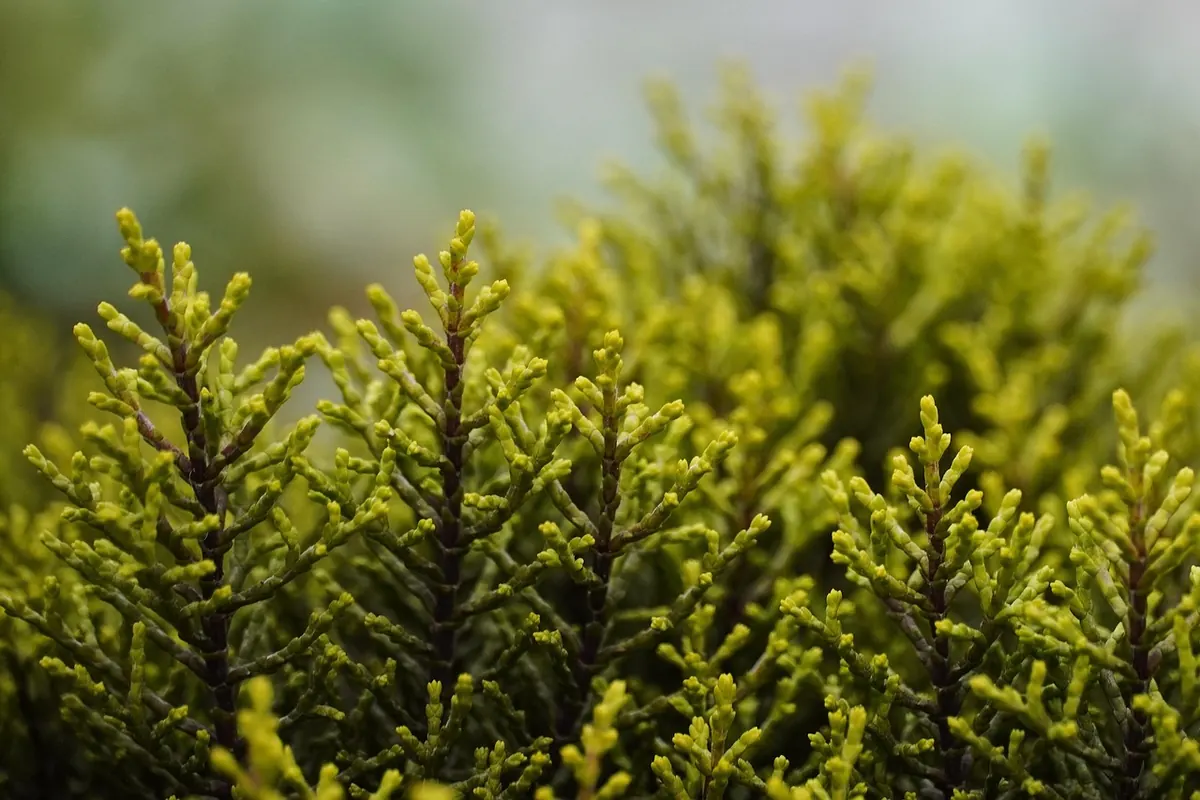
A fixed watering schedule is tempting, but it rarely fits a real garden. Italian cypress — Cupressus sempervirens — sends roots down and out, and the surface of the soil tells only part of the story. Before you reach for the hose, push a finger or a small trowel into the ground about 8–10 cm deep, just outside the trunk. If it is dry and crumbly there, water. If it is cool and slightly damp, wait.
Midday wilting is not automatically a distress signal. Cypress can look limp in the hottest hours and recover by evening without any help. Watering every time the foliage droops is one of the quickest ways to drown the roots. Look at the soil first, then at the tree.
Soil type changes everything. A heavy clay soil holds water for longer, so fewer soakings are needed — but drainage must be good, or the root zone becomes a sump. Sandy soil drains fast, so you may water more often, though still deeply. A cypress in a pot is a different job again; its compost can dry out in a day during a heatwave.
New Cypress: The First Two Summers
A newly planted cypress has a small root ball and a lot of top growth to support. It cannot yet rely on the deep reserves of an older tree. The first summer is about steady moisture, not occasional floods. A simple routine works well:
- Water at planting. Soak the root ball and the surrounding soil slowly until the water begins to settle, then check that the hole drains.
- Build a shallow basin. A low ring of soil around the root zone — not touching the trunk — helps water soak down instead of running away.
- For the first month, check every two or three days. In hot, dry weather, water every three to five days if the soil at 10 cm is dry. In cooler or cloudy spells, wait longer.
- Through the rest of the first summer, soak weekly. One slow, deep watering is better than several light sprinkles. Adjust for rain, clay, sand, and pots.
- In the second summer, stretch the interval. Aim for a deep soak every 10–14 days in hot spells, always checking the soil first.
Mulch after planting with 5–8 cm of bark, compost, or gravel, keeping it clear of the trunk. Mulch cools the root zone and slows evaporation, but it does not replace watering. Do not heap it against the stem.
Established Cypress: Deep and Occasional
Once a cypress has been in the ground for two or three years, it should be settling into the Mediterranean rhythm: long dry spells followed by a proper soak. In a normal summer, established trees often need watering only every two to four weeks, and sometimes less. During a prolonged heatwave or on very sandy ground, every 10–14 days may be more realistic.
The goal is to wet the soil deeply, then let the upper layer dry. A slow soak that reaches 30 cm or more encourages roots downward. A daily flick of the sprinkler encourages shallow roots and weak growth. If you are unsure, water in the morning, then dig a small check hole the next day to see how far the moisture travelled.
How to Water So It Reaches the Roots
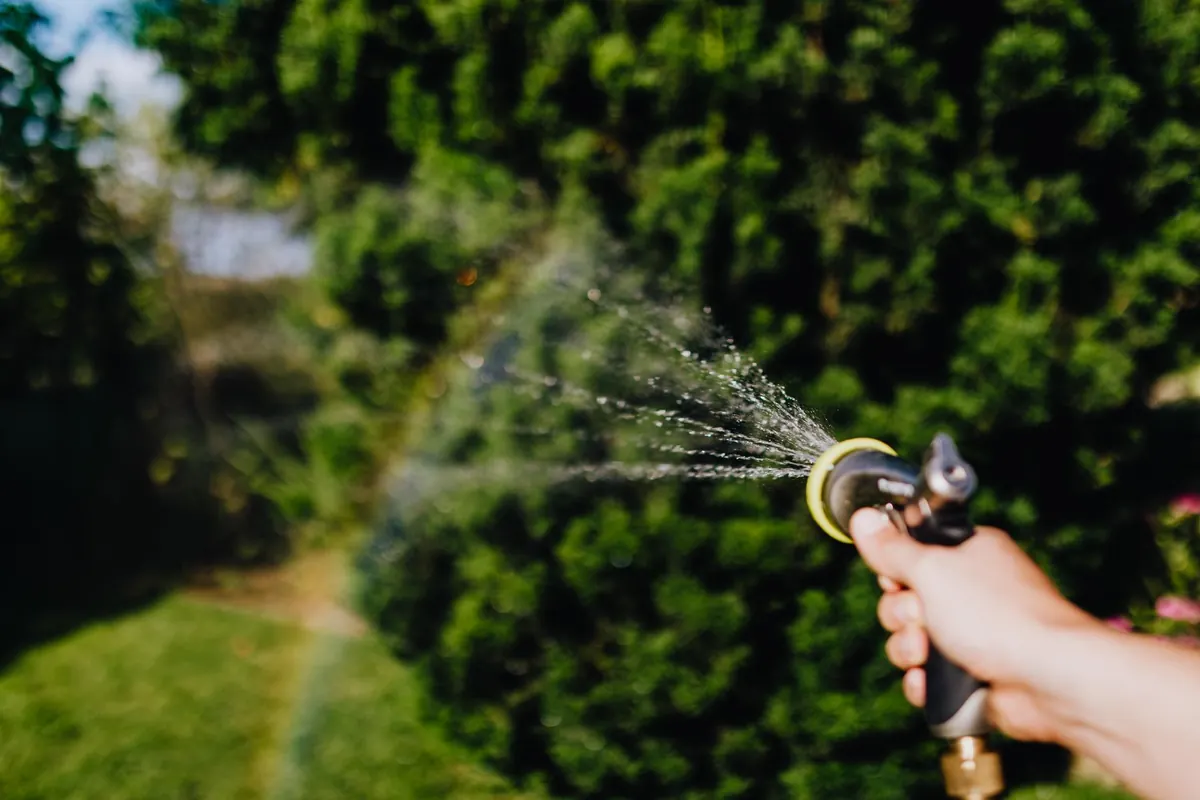
Method matters as much as timing. Hand-held hoses, drip lines, and soaker hoses all work if they deliver water slowly enough to soak in. Sprinklers that wet the foliage and leave the surface muddy are less useful, especially in still, humid weather. Cypress foliage that stays damp overnight can invite fungal problems.
Water around the drip line — the area beneath the outer edge of the branches — rather than against the trunk. For a new tree, the basin helps. For an established tree, a soaker hose looped around the root zone is simple and efficient.
A Five-Minute Depth Test
After watering, wait an hour and push a trowel into the soil. If only the top two centimetres are damp, you have given a sip, not a soak. Water again slowly. If the soil is soggy and water pools, stop and check drainage before adding more.
Reading the Signs: Underwatering vs Overwatering
The symptoms can look confusingly similar, because both problems make a cypress look tired. The soil is the tie-breaker.
- Underwatering: foliage looks dull grey-green rather than deep green; tips droop and stay droopy into the evening; inner needles turn brown and drop; new growth is short; soil at 10 cm is dry.
- Overwatering: foliage yellows, especially in the inner canopy; shoots feel soft and limp; soil stays soggy; moss or algae appear on the surface; there may be a sour smell or dark, mushy roots. Dieback can follow.
Do not assume every brown patch is a watering problem. Cypress can brown from canker, heat scorch, or root damage, and adding more water to a sick tree can make things worse. If the soil is already damp and the tree is declining, stop watering and let it dry out. If drainage is poor, consider lifting the tree or improving the soil around it.
Soil, Pots, and Heat Waves
Clay soil needs less frequent watering but better drainage. Sandy soil needs more frequent checks, though still deep soakings. Pots dry fastest of all: in a heatwave, a containerised cypress may need water daily, and the compost should be checked every morning. Make sure the drainage holes are open and the pot is not standing in a saucer of water.
Coastal wind increases water loss even when the air feels cool. A windy, rainless week can dry a young cypress faster than a still, hotter one. During extreme heat, water early in the morning so the roots have moisture before the afternoon peak. Temporary shade for a newly planted tree is reasonable; established cypress should not need it.
A Practical Summer Checklist
Keep the routine simple and let the soil guide you:
- Check moisture at 10 cm before watering, not just the surface.
- New cypress: deep soak every three to five days for the first month, then weekly through the first summer.
- Established cypress: deep soak every two to four weeks in dry spells, more often in extreme heat or sandy soil.
- Water slowly around the drip line, not against the trunk.
- Mulch 5–8 cm deep, kept clear of the stem.
- Watch for yellowing and soggy soil as carefully as you watch for dry, dull foliage.
- Check pots daily in hot weather and never let them stand in water.
If you do those things, summer watering becomes a calm weekly inspection rather than a rescue mission. Italian cypress rewards that patience with the thing it does best: a dark green, vertical presence that holds the garden together through the driest weeks.